Flooring upgrades worth doing before you sell a house or condo
By Adam · Updated 2026-07-06
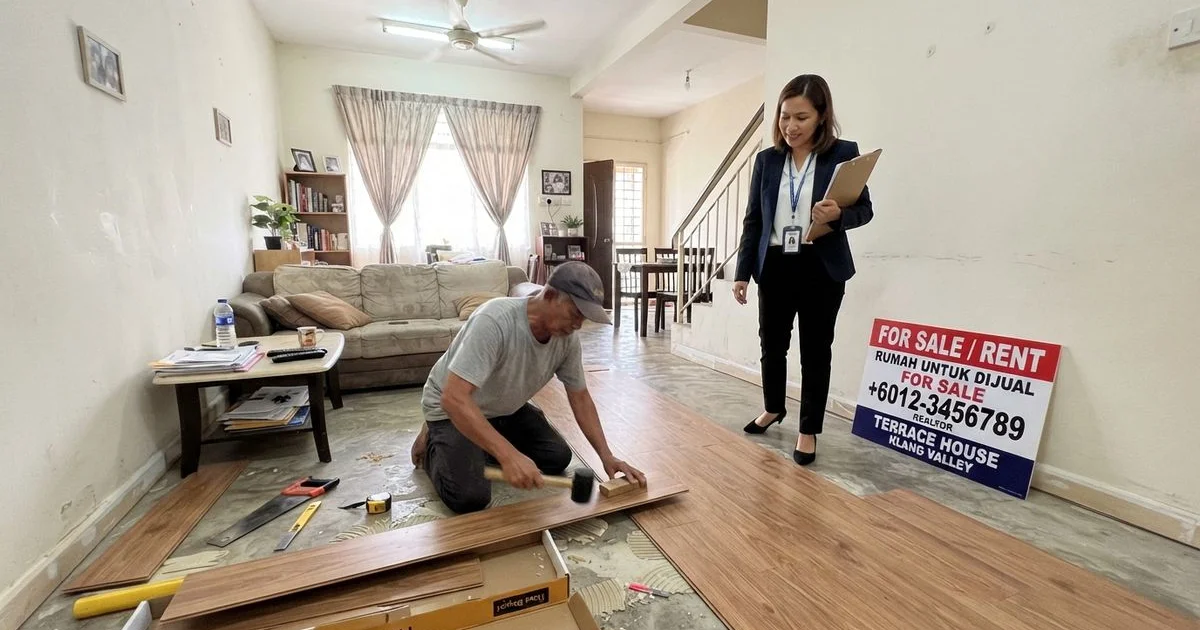
Flooring is one of the first things a buyer notices walking through a home, and it shapes their impression of the whole property before they’ve looked at anything else. That doesn’t mean every seller needs a full flooring overhaul before listing, but knowing which fixes genuinely help and which are better left alone saves money you don’t need to spend.
Which upgrades tend to be worth it
| Situation | Worth doing before selling | Why |
|---|---|---|
| Worn or scratched timber, structurally sound | Yes, sand and refinish | Transforms the look at a fraction of replacement cost |
| Stained or damaged carpet | Yes, replace or deep clean | Stains and odour are hard for buyers to look past |
| Cracked or chipped tile in a visible area | Yes, spot repair or replace affected tiles | Cheap fix relative to how much it stands out |
| Dated but undamaged flooring throughout | Usually not | Buyers often have their own material preferences anyway |
| Minor scuffs on otherwise good flooring | Usually not | Not worth the cost relative to buyer impact |
Focus on the rooms buyers notice most
Living areas, the entryway, and the kitchen carry the most weight in a buyer’s first impression, since they’re the spaces people spend the most time in during a viewing. Bedrooms and less-trafficked rooms matter less, so if budget is limited, prioritising the high-visibility spaces gets more value than spreading a smaller budget thin across the whole home.
When refinishing beats replacing
If existing timber or parquet flooring is scratched, dulled, or lightly worn but structurally sound, sanding and refinishing is usually the better move than tearing it out and installing something new. It’s a fraction of the cost of replacement and often makes a bigger visible difference than buyers expect, since a fresh finish can make an older floor look close to new.
Check with a contractor whether your specific floor has enough wear layer or solid wood left to sand again, since a floor that’s already been refinished several times over the years may not have much material left to work with.
When it’s better to leave it alone
Dated but well-maintained flooring, especially a material or colour a buyer might not have chosen themselves, often isn’t worth replacing before a sale. Buyers frequently have their own preferences for flooring and may plan to change it regardless of what’s there. Spending on a full replacement in this situation is generally money better saved or put toward more impactful fixes elsewhere in the home.
Timing the work around your sale
Flooring work takes time, and it’s worth building that into your listing timeline rather than starting a project and hoping it wraps up before viewings begin. A sand-and-refinish job on an existing floor is generally faster to complete than a full replacement, which matters if you’re working toward a specific listing date and don’t want an unfinished floor showing up in your marketing photos.
If your property is already tenanted or occupied while you prepare to sell, coordinate flooring work around move-out timing or existing occupants, since access for a multi-day job is harder to arrange around a household still living in the space. The same sequencing logic applies as any other flooring project; the flooring checklist for a new home or renovation covers scheduling work around other trades and access.
A quick note on cost versus asking price
It’s worth keeping the scale of the fix proportionate to the property’s value. A relatively inexpensive refinish or spot repair is easy to justify on almost any sale. A larger, full-home replacement is a bigger decision, and it’s worth thinking about whether that money is better spent on the flooring itself or reflected instead in how the property is priced, letting the buyer make their own flooring choice after purchase.
Getting quotes before you decide
Before committing to a flooring project ahead of a sale, get a couple of quotes so you can weigh the cost against realistic value. A quick assessment from a couple of flooring contractors can also tell you whether a floor you assumed needed replacing might actually be a good candidate for a cheaper refinish instead.
Our scoring method explains how contractor listings on this directory are ranked, useful when deciding who to bring in for a pre-sale flooring assessment.
FAQ
- Is it worth replacing the flooring before selling a house?
- It depends on condition. Worn, stained, or visibly damaged flooring is worth addressing, since it's one of the first things buyers notice. A floor that's simply dated but in good condition often doesn't need full replacement before listing.
- Should I match new flooring throughout the whole house or just fix problem rooms?
- Fixing the most visible or damaged rooms, living areas, entryway, and kitchen, usually matters more to buyers than a perfectly matched material throughout. Full-home consistency is a nice-to-have, not usually essential to a sale.
- What flooring fix gives the best return before selling?
- Refinishing an existing timber or parquet floor that's dull or scratched but structurally sound tends to offer strong value for the cost, since it transforms the look without the expense of full replacement.
- Should I let buyers choose their own flooring instead of upgrading before selling?
- For a badly damaged or heavily worn floor, most buyers will mentally discount the price rather than picture their own choice, so fixing it beforehand usually helps more than leaving it as a bargaining chip.