Flooring checklist before you move into a new home or finish a renovation
By Adam · Updated 2026-07-03
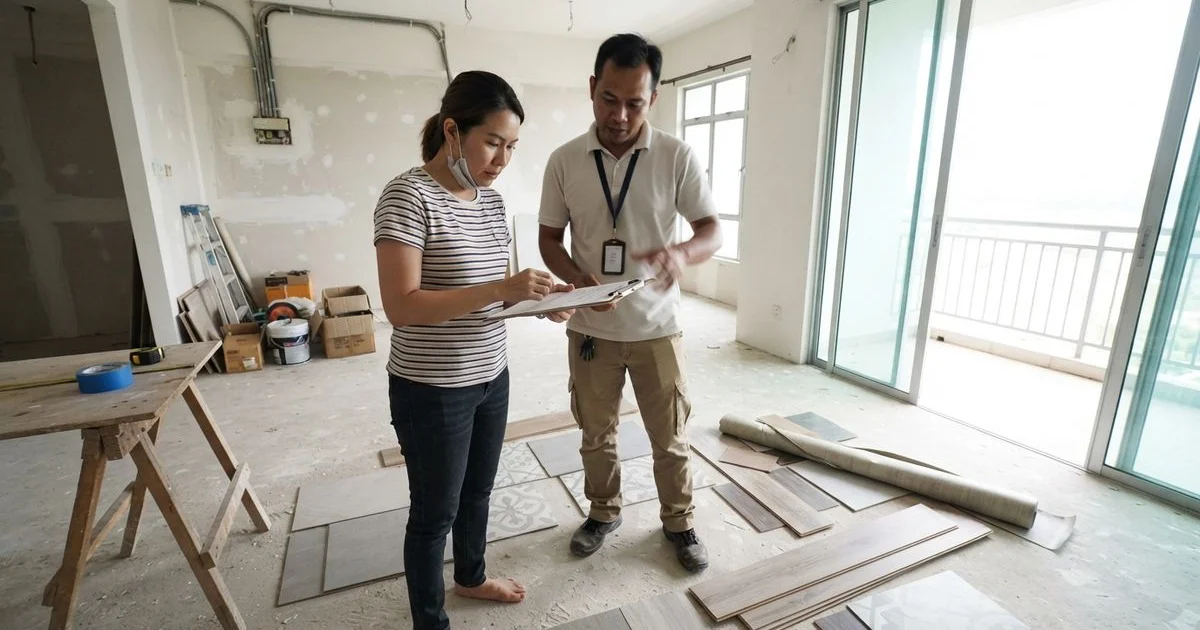
Whether you’re moving into a new place or finishing a renovation, flooring tends to sit in the middle of the project, after some trades and before others. Getting the sequencing and the practical checks right upfront avoids the most common headaches: a floor installed too early that gets damaged by later work, or one installed too late that delays move-in.
The pre-installation checklist
| Check | Why it matters |
|---|---|
| Subfloor condition confirmed | Determines which materials are realistic without extra levelling work |
| Moisture check done, especially ground floor | Prevents warping or lifting issues later, particularly for timber |
| Material and quantity confirmed with supplier | Avoids delays from ordering the wrong amount or a discontinued batch |
| Sequencing agreed with other trades | Painting, cabinetry, and electrical work often need to happen around flooring |
| Room cleared of furniture | Speeds up installation and avoids extra charges for moving items |
| Door clearance checked | New flooring plus underlayment can raise floor height, affecting door swing |
| Written scope and timeline confirmed | Protects both sides if the project runs into delays |
Sequencing flooring around other renovation work
Flooring generally goes in after messier trades, painting, plastering, electrical and plumbing rough-in, are done, since those earlier stages carry more risk of dust, drips, or debris landing on a finished floor. It typically goes in before final trims, skirting boards, and door adjustments, since those details often need to sit flush against the new floor level.
Kitchen cabinetry timing varies by preference: some installers prefer flooring to run underneath cabinets for a cleaner, more finished look, while others fit cabinets first and flooring around them, which can simplify a future kitchen renovation without disturbing the floor. Confirm this with both your flooring contractor and cabinet installer so nobody’s work order creates a conflict.
Booking around a move-in date
If you’re working toward a specific move-in date, work backward from it. Flooring installation itself might only take one to a few days depending on material and area, but material lead times, especially for less common tile, marble, or timber species, and subfloor prep can add real time before installation even starts. Confirming material availability with your contractor before committing to a firm move-in date avoids a last-minute scramble.
It’s also worth asking your contractor for a buffer, a few extra days built into the schedule, since renovation projects commonly uncover something unexpected once old flooring comes up, an uneven subfloor, old adhesive residue, or damage that wasn’t visible beforehand.
What to double-check before the crew arrives on install day
A few small things make installation day go more smoothly. Confirm parking or loading access for the crew and materials, especially in a condo where lift booking might be required. Clear the room fully, including wall hangings and curtains if the job involves skirting work, and make sure pets have somewhere else to be for the day, since an open front door during material delivery is an easy opportunity for a pet to slip out.
If you’re moving into a newly built or newly renovated unit, check whether other trades still have work scheduled in the same space after flooring goes in. A plumber or electrician returning to fix a snag after the floor is down risks scuffing or staining a brand-new surface, so it’s worth confirming your project manager or main contractor has flooring genuinely as one of the last trades through the door.
Getting quotes lined up early
Since flooring often depends on other trades finishing their work first, getting quotes and confirming your contractor’s availability early in the renovation timeline, even before you’re ready to start, helps avoid a gap where everything else is done but flooring becomes the bottleneck.
Browsing flooring contractors on this directory and comparing a few quotes early in your planning gives you a realistic sense of both pricing and availability before your renovation reaches the flooring stage. If you’re doing this ahead of a sale rather than a move-in, the guide on flooring upgrades worth doing before you sell covers which changes actually add value. Our scoring method explains how listings here are ranked, which is worth a look while you’re comparing options.
FAQ
- Should flooring be installed before or after painting?
- Painting generally happens before flooring goes in, since paint work carries some risk of drips or dust that's easier to manage on an old or protected floor rather than a brand-new one.
- What should I check about the subfloor before choosing a new flooring material?
- Ask whether the subfloor is flat, dry, and free of major cracks or unevenness. Some materials, like tile and engineered timber, are less forgiving of an uneven subfloor than SPC or vinyl plank, so this affects which materials are realistic options.
- How far in advance should I book a flooring contractor for a renovation?
- It depends on the contractor's schedule and your project size, but booking several weeks ahead is a reasonable rule of thumb, especially if your renovation involves multiple trades that need to be sequenced around each other.
- Does flooring need to be installed before or after kitchen cabinets?
- This varies by preference and material, some installers prefer flooring to run under cabinetry for a cleaner finish, others fit cabinets first and flooring around them. Ask your contractor and cabinet installer to confirm the sequence together before either starts.