Budget-friendly flooring options for renters and tenants
By Adam · Updated 2026-06-29
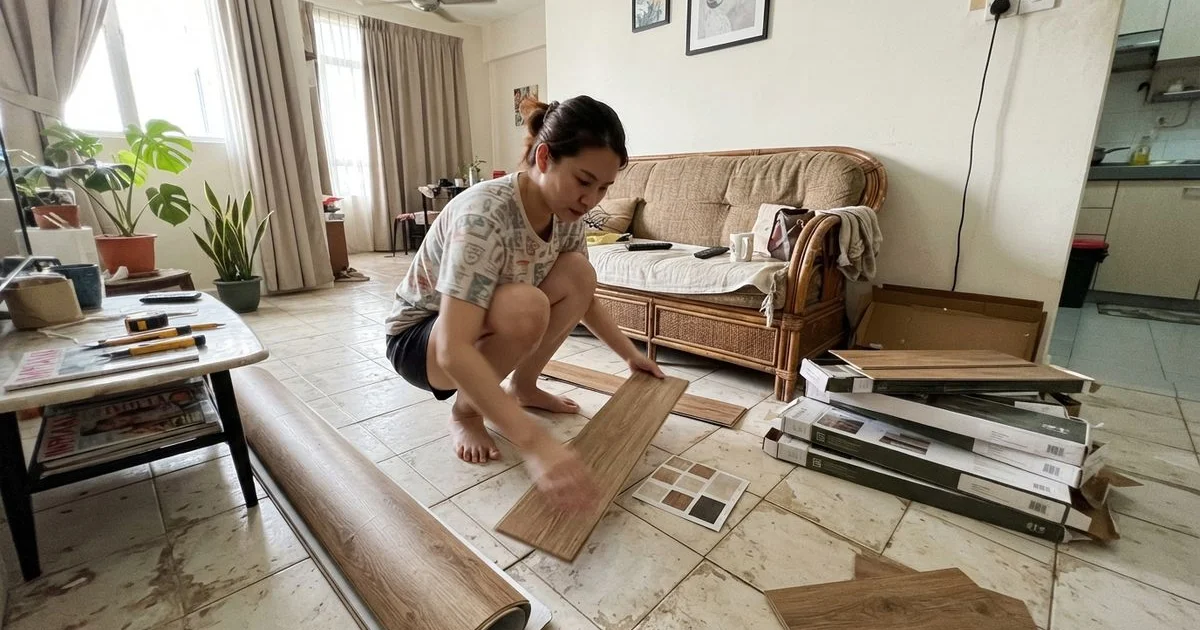
Renting doesn’t mean living with a floor you don’t like. A few budget flooring options exist specifically for tenants who want a better-looking, more comfortable space without a full renovation, or the deposit risk that can come with one. The key is picking something reversible, so the original floor is in the same condition when you move out.
Budget options for renters
| Option | Typical cost | Reversible | Best for |
|---|---|---|---|
| Peel-and-stick vinyl tiles | Low | Mostly, depends on adhesive strength | Flat, clean floors, quick refresh |
| Loose-lay vinyl plank | Low-moderate | Yes, no adhesive needed | Larger rooms, more realistic look |
| Interlocking carpet tiles | Low-moderate | Yes, click together, no glue | Bedrooms, living rooms, softness underfoot |
| Area rugs and runners | Low | Yes, no installation | Renting where any floor change isn’t allowed |
| Foam interlocking mats | Low | Yes, easy to store when not needed | Play areas, home gyms |
Most of these options can be laid over an existing hard floor without professional installation, which is part of why they’re popular with renters working within a tight budget or lease timeline.
Checking your tenancy agreement first
Before buying anything, check what your tenancy agreement says about flooring changes, and if it’s silent on the topic, ask your landlord directly. A quick message confirming you’d like to lay a reversible product like peel-and-stick tiles or loose-lay vinyl, and that it’ll be removed at the end of the tenancy, protects both sides and avoids a dispute over your deposit later.
Getting the best result from a budget option
A clean, flat surface makes the biggest difference to how a budget flooring product looks and lasts. Sweeping and mopping the existing floor thoroughly, and letting it dry completely, before laying peel-and-stick tiles or loose-lay plank avoids trapped dust or moisture that can affect how well the product sits and how long it holds up.
For rooms with furniture that gets moved around often, interlocking carpet tiles or loose-lay vinyl plank tend to hold up better than peel-and-stick tiles, since repeated furniture dragging can lift adhesive-backed products at the edges over time.
Covering an uneven or damaged rental floor
Older rental units sometimes have a floor that’s stained, chipped, or uneven in spots, and covering it is often the priority over style. Loose-lay vinyl plank is generally more forgiving of minor unevenness than peel-and-stick tiles, since it isn’t relying on full adhesive contact with the surface underneath. For a floor with more noticeable dips or damage, a thin foam underlay beneath loose-lay vinyl can help smooth out small imperfections without a full subfloor repair, which wouldn’t be practical or worthwhile in a rental anyway.
If the existing floor has a strong odour, from a previous tenant’s pet or general age, a sealed underlay layer can also help reduce it coming through, though it’s worth raising a persistent odour issue with your landlord directly, since it may point to a moisture problem worth addressing at the source rather than just covering up.
Storing what you remove
If your budget flooring product is genuinely reversible, keep the packaging or a few spare pieces from the original box in case a section needs replacing before you move out. It also makes reinstalling in a new rental simpler, since loose-lay plank and interlocking tiles can often be picked up, moved, and relaid in a new space, stretching the value of the purchase across more than one tenancy.
When it’s worth spending a bit more
If you’re planning to stay in a rental for several years, it can be worth choosing a slightly higher grade within these budget categories rather than the absolute cheapest option, since a better-quality loose-lay vinyl plank or thicker carpet tile holds up to daily use noticeably longer than the thinnest products on the market. The cost difference is usually modest, and it means not having to redo the job halfway through your tenancy.
If your landlord is open to it and you’re considering something more permanent, it’s worth comparing quotes from flooring contractors to understand what a proper installation would cost, so you can weigh that against the ongoing cost of replacing a budget product every year or two.
Our scoring method explains how this directory ranks contractor listings, useful if a bigger, more permanent flooring change becomes worth considering later.
FAQ
- Can renters install new flooring without permanently changing the unit?
- Yes, peel-and-stick vinyl tiles, loose-lay vinyl plank, and interlocking carpet tiles can all be installed without adhesive that damages the original floor, and can be removed when the lease ends.
- Do landlords generally allow flooring changes?
- It varies, so check your tenancy agreement or ask the landlord directly before making any change, even a reversible one. Getting written permission avoids a dispute over the deposit when you move out.
- What's the cheapest way to cover an old or damaged floor temporarily?
- Peel-and-stick vinyl tiles are generally the lowest-cost option for a straightforward, flat floor, while a large area rug is the simplest no-install option if you'd rather avoid altering the floor at all.
- Will installing budget flooring myself affect my rental deposit?
- It depends on how it's installed and removed. Adhesive-based products that damage the original floor when peeled up can affect your deposit, while loose-lay or interlocking options that leave no residue are generally the safer choice for tenants.